Bulk polymer transport uses sealed, high-efficiency container systems designed to keep polymer granulates clean, consistent, and protected throughout intermodal logistics.
What Bulk Polymer Transport Means
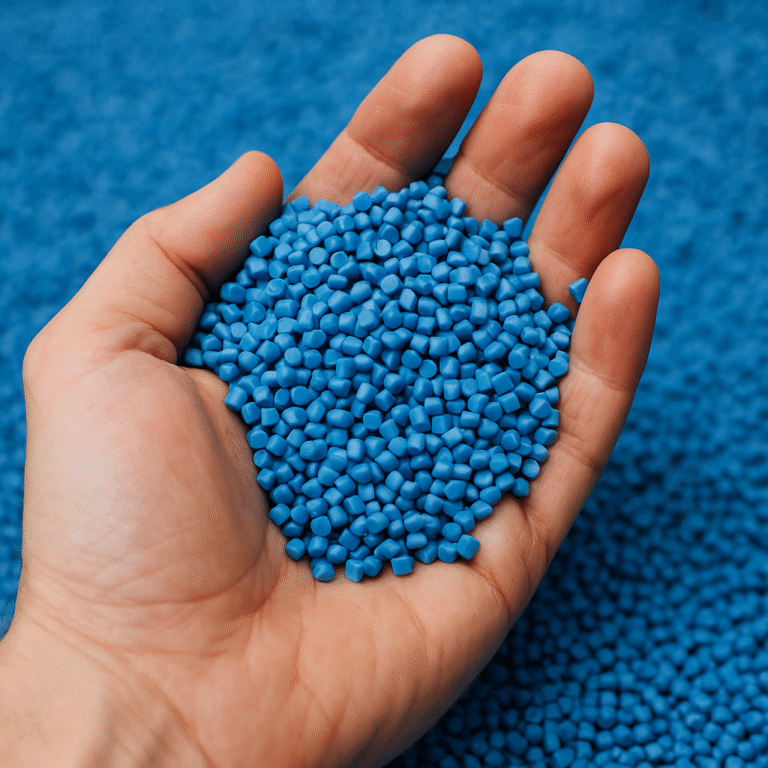
Bulk polymer transport refers to moving polymer granulates—such as PP, PE, PET, ABS, and recycled resins—in unpackaged form through sealed, contamination-free logistic systems.
Definition and Purpose
Transporting polymers in bulk eliminates traditional bags, pallets, and manual handling. Instead, granulates are loaded directly into clean, lined containers that remain sealed from origin to destination. This protects the product from moisture, dust, and cross-contamination—crucial for high-purity grades, food-contact plastics, and engineering polymers.
Polymers are used in nearly every modern industry: packaging, automotive, medical devices, textiles, electronics, and construction materials. Efficient bulk transport ensures consistent granulate quality, higher payload efficiency, and stable supply chain performance.
Summary
Bulk transport keeps polymers sealed and clean
No bags, pallets, or manual handling
Protects purity and flow properties
Types of Polymers Transported in Bulk
Most major polymer families—virgin, recycled, or engineering grades—are ideally suited for bulk transport in sealed containers.
Material Families and Applications
Bulk handling works for flowable polymer granulates across multiple categories:
Each polymer grade has density, flow, and moisture-sensitivity considerations that influence liner type, unloading method, and transport configuration.
Summary
Covers all major polymer families
Works for virgin and recycled grades
Sensitive materials remain protected
Bulk Polymer Transport by Nordic Bulkers
Nordic Bulkers provides a dedicated polymer logistics platform using engineered 30ft containers, food-grade and antistatic liners, and fully integrated intermodal transport across Europe and Scandinavia.
A Tailored Polymer Logistics System
Nordic Bulkers specializes in dry bulk polymer transport through:
High-volume 30ft dry bulk containers engineered for optimal resin flow
Food-grade and antistatic liners matched to polymer type
Gravity and pneumatic discharge systems for plant integration
Certified cleaning cycles for contamination-free reuse
Digital CO₂ and shipment traceability
This creates a clean, stable, and scalable logistics chain for polymer producers, recyclers, and converters.
Summary
Engineered for polymer granulates
Full intermodal integration
High-purity, moisture-protected handling
How Polymers Are Transported in Bulk
Polymers move in a closed, controlled transport loop where the product stays inside the same sealed container from loading to unloading.
End-to-End Process Flow
Loading Polymer granulates are loaded via gravity or pneumatic systems directly into a lined bulk container. The liner type is matched to the polymer’s sensitivity and application.
Sealing Once filled, the container is sealed using dust-proof closures to prevent moisture, dust, or external contaminants from entering the system.
First-mile trucking A truck chassis transports the container to a rail terminal or port.
Intermodal movement Rail is used as the primary long-distance mode due to low emissions; short-sea vessels connect Scandinavian and European markets.
Terminal handling Optional services include silo storage, sampling, big-bag filling, or bag-to-bulk conversion.
Unloading Upon arrival, the polymer is unloaded using gravity discharge or pneumatic systems directly into customer silos.
This sealed logistics chain eliminates packaging waste, reduces handling steps, and ensures stable resin quality.
Summary
Polymer stays sealed from start to finish
Gravity or pneumatic discharge
No exposure, no contamination
Quality, Hygiene, and Environmental Stewardship in Polymer Transport
Nordic Bulkers applies a polymer-specific operational framework designed to protect granulate purity, reduce environmental impact, and support long-term supply chain stability.
A Purpose-Built Compliance System for Polymers
Instead of relying on generic compliance models, Nordic Bulkers uses a customized logistics framework including:
Specialized handling protocols defining exact liner types, unloading methods, and equipment based on polymer grade.
Closed-loop container preparation, including full inspection, washing, drying, and documentation before reuse.
Advanced contamination and moisture controls ensuring that hygroscopic, food-contact, and high-purity materials remain protected.
Emission-optimized transport planning, prioritizing rail and short-sea routes to significantly reduce CO₂ per ton transported.
Granulate loss-prevention design, ensuring clean operations and preventing pellets from entering the environment.
Batch-level traceability covering container IDs, liner specifications, cleaning cycles, and transport path.
This purpose-built system guarantees consistency, safety, and environmental responsibility at every stage of polymer transport.
Summary
Polymer-specific hygiene standards
Closed-loop cleaning and inspection
Traceability and low-emission routing
We use cookies to enhance your experience on our website. These include cookies necessary for the website's functionality and optional cookies for analytics purposes.